EV adoption in 2026 has moved beyond early-stage growth and is now entering a phase of mass-scale deployment. Across global markets, electric vehicles are becoming a mainstream mobility choice driven by policy support, cost efficiency, and infrastructure expansion.
However, charging infrastructure development is still struggling to keep pace with demand.
1. EV Adoption Is Expanding Beyond Cities
EV growth is no longer concentrated in urban centers. Suburban regions, highways, and semi-urban areas are now key growth zones.
This expansion is driven by:
- Improved EV range and battery performance
- Expansion of highway charging corridors
- Government infrastructure programs
For charging providers, this means infrastructure planning must move beyond cities and focus on distributed network coverage.
2. Demand for Fast Charging Is Increasing
As EV adoption grows, user expectations are shifting toward speed and convenience.
Key trend:
- Rising demand for DC fast charging (30 kW and above)
- Increased deployment at highways, retail hubs, and fleet depots
Speed is becoming a key differentiator, but reliability and grid stability remain equally important.
3. Commercial Spaces Are Becoming Charging Hubs
EV charging is increasingly being integrated into commercial environments such as:
- Retail centers
- Hotels and hospitality chains
- Corporate workplaces
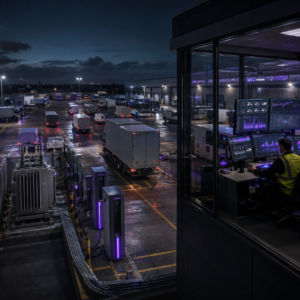
- Logistics and fleet depots
Charging infrastructure is evolving into a business value-added service, improving customer retention and operational efficiency.
4. Smart Charging Is Now Standard
With growing EV volumes, unmanaged charging is no longer viable.
Smart charging systems are now essential, including:
- Load balancing and energy optimization
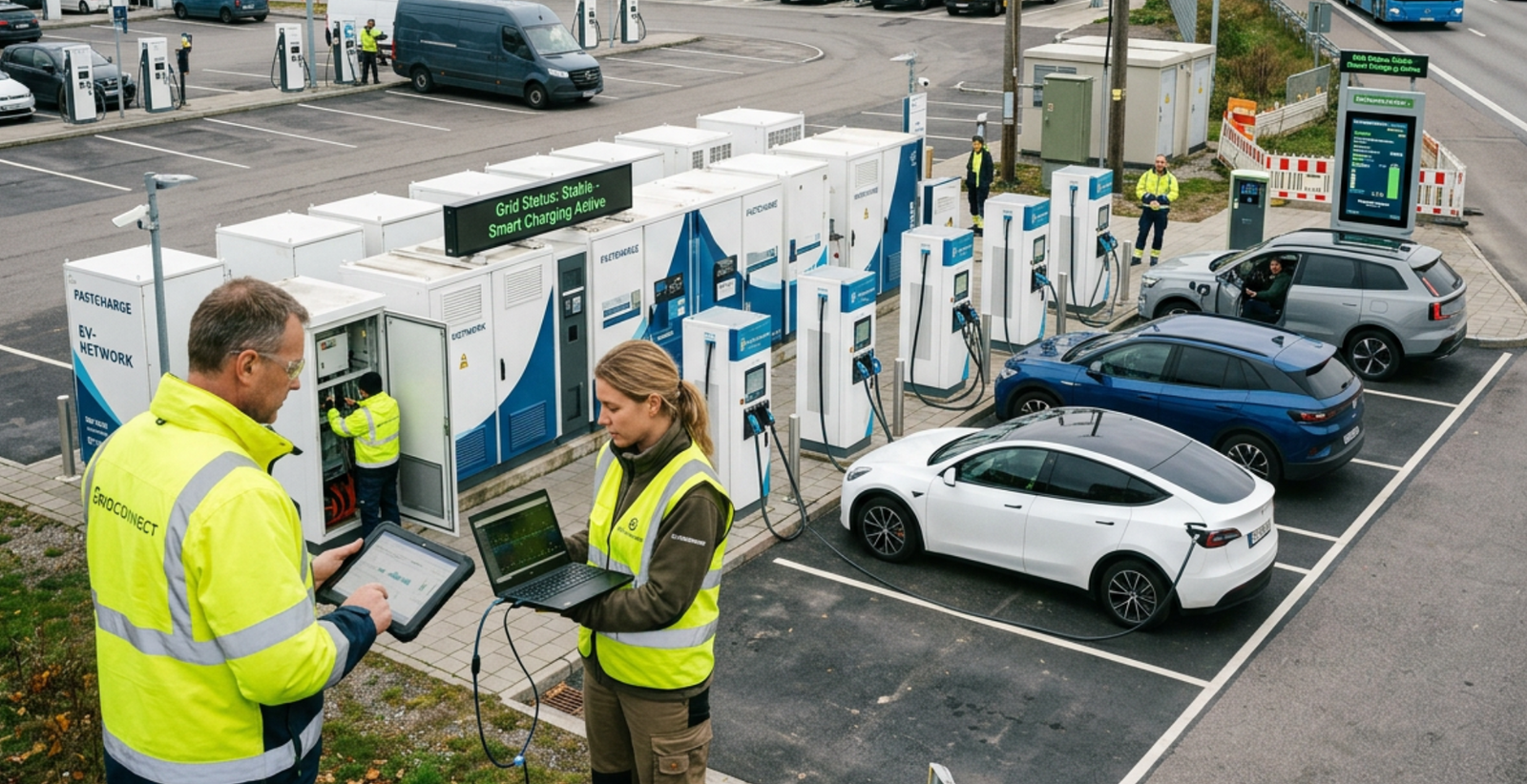
- Remote monitoring and diagnostics
- Payment and user management systems
- Grid integration capabilities
Charging infrastructure is becoming a connected energy ecosystem rather than standalone hardware.
5. Fleet Electrification Is Driving Bulk Demand
Fleet electrification is one of the strongest growth drivers in 2026.
Key requirements include:
- High-capacity charging infrastructure
- Predictable, high-volume energy demand handling
- Minimal downtime and fast turnaround
This segment is expected to account for a significant share of future infrastructure investments.
6. Reliability Is the Key Differentiator
Beyond speed and capacity, reliability is becoming the most critical factor.
Common industry challenges include:
- Charger downtime
- Maintenance inefficiencies
- Performance inconsistency
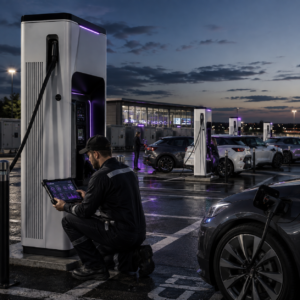
Long-term success depends on durable hardware, strong service support, and predictive maintenance systems.
Conclusion
EV adoption trends in 2026 highlight a clear shift: demand is scaling faster than infrastructure maturity.
For charging providers, success depends on building scalable, reliable, and intelligent charging ecosystems that support diverse use cases-from highways and fleets to urban commercial networks.
The companies that align with these trends will not just participate in the EV transition-they will shape it.