Global EV Charging Infrastructure Trends 2026
The global EV charging infrastructure market in 2026 is entering a high-growth, technology-driven phase. As electric vehicle adoption accelerates worldwide, charging infrastructure is becoming a critical foundation of the energy and mobility transition.
The focus is shifting from basic deployment to speed, scalability, and smart integration.
1. Strong Global Market Expansion
EV charging infrastructure is experiencing sustained global growth, supported by:
- Rising EV adoption across passenger and commercial segments
- Government incentives and decarbonization policies
- Increasing demand for faster and more reliable charging
The industry is expanding beyond mature markets, with emerging economies becoming key growth drivers.
2. DC Fast Charging Leads Market Growth
One of the most dominant trends in 2026 is the rapid rise of DC fast charging networks.
These systems are increasingly deployed in:
- Highway charging corridors
- Urban fast-charging hubs
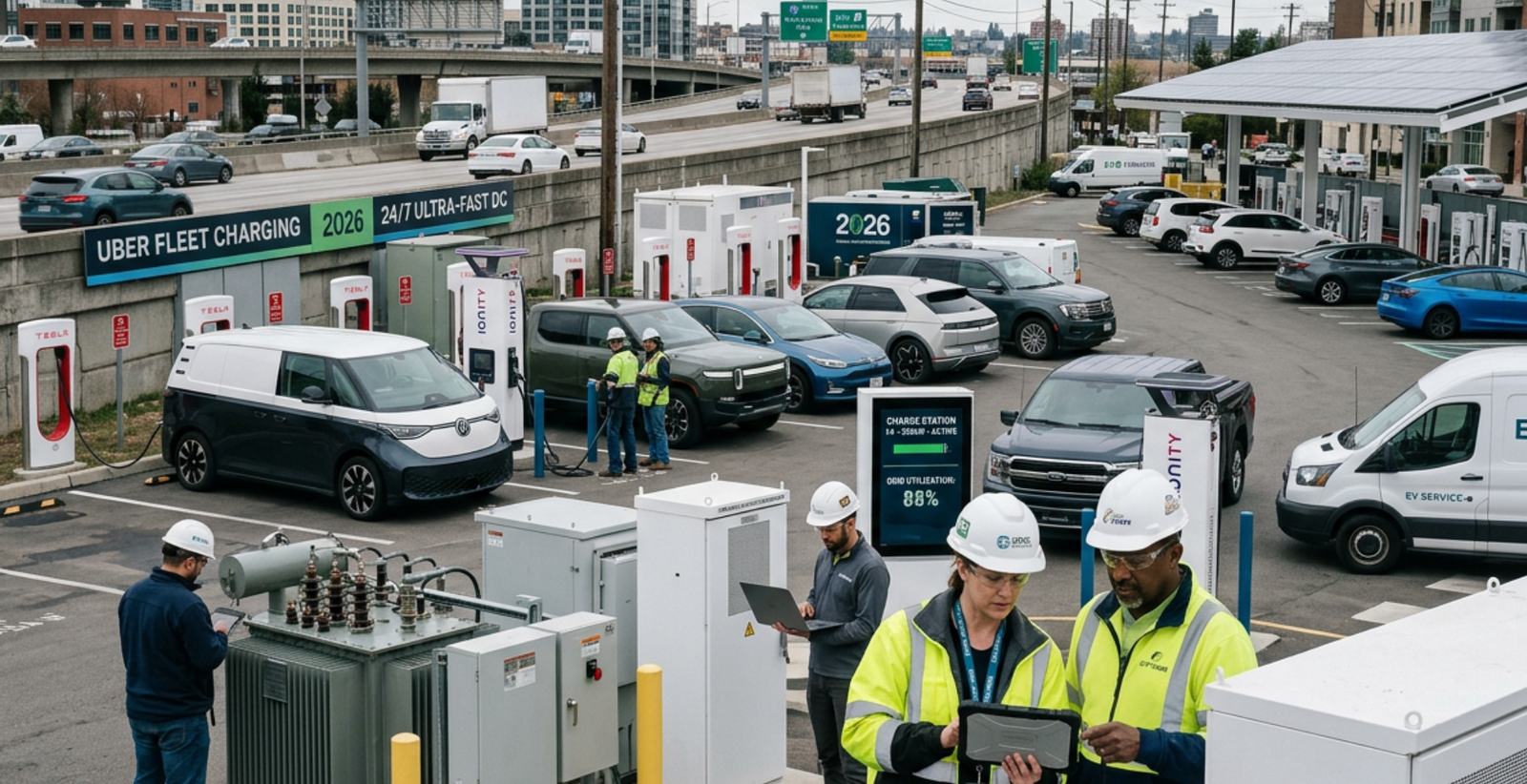
- Commercial and fleet depots
Higher power levels (150 kW to 360+ kW) are becoming standard, significantly reducing charging time and improving user experience.
3. Modular and Smart Charging Systems
Charging infrastructure is evolving from fixed hardware to modular and software-driven systems.
Key developments include:
- Scalable power architecture
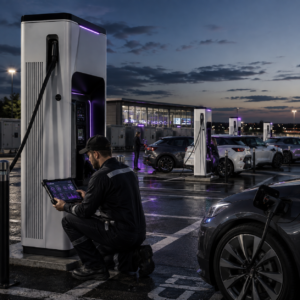
- Remote monitoring and diagnostics
- Dynamic load management
- Integration with energy management systems
This transformation is making charging networks more flexible and future-ready.
4. Regional Market Trends
North America
Policy-driven expansion focused on highway corridors and fleet electrification.
Europe
Highly standardized, dense networks with strong renewable integration.
Asia-Pacific
Largest deployment scale globally, supported by strong manufacturing and rapid urban adoption.
Emerging Markets
Latin America, Middle East, and Africa are seeing early-stage but fast-growing infrastructure development.
5. Key Challenges
Despite rapid growth, the industry still faces:
- Grid capacity limitations
- High infrastructure deployment costs
- Regional standardization differences
- Long-term reliability requirements
These challenges are increasing demand for high-quality, scalable charging solutions.
Conclusion
In 2026, global EV charging infrastructure is transitioning into a smart, high-power, and fully connected energy ecosystem. The shift toward fast charging, modular systems, and grid integration is redefining how mobility infrastructure is designed and deployed worldwide.
Charging networks are no longer just support systems-they are becoming a core layer of the global energy transition.